
Water Filter Replacement Guide: When and Why to Change Filters Cartridge
Your water filter is one of the most important investments in your home, but it only delivers on its promise when its cartridges are fresh and working properly. A filter that is overdue for a cartridge change is not just underperforming. In some cases, it is actively making things worse.
This is the guide we wish every new filter owner received at installation. It covers how long different types of cartridges last, the real signs that a change is overdue, what happens when you leave it too long, and how to stay on top of maintenance so your water filtering system keeps delivering great-tasting, genuinely filtered water year after year. Whether you have an under-sink carbon filter, a whole-house filtration system, a reverse osmosis unit, or a benchtop water purifier, the principles here apply to you.
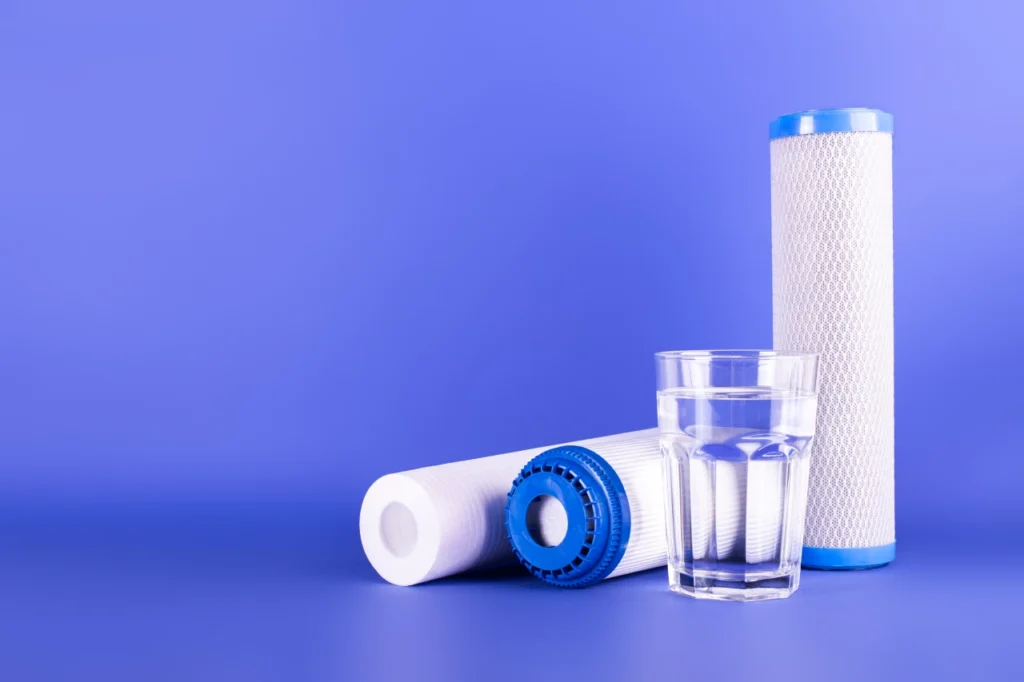
Why Cartridge Replacement Matters More Than You Think
Every filtration cartridge has a finite capacity. Sediment cartridges physically fill with particles until water can barely pass through. Carbon cartridges absorb contaminants, including chlorine, VOCs, and organic compounds, until the media becomes saturated and can no longer absorb more. Once capacity is reached, the cartridge stops working, and your water quality returns to what it was before you installed the filter.
More concerning is what can happen with saturated carbon media, specifically. A fully exhausted carbon cartridge can begin releasing previously absorbed contaminants, including chlorine compounds and organic chemicals, back into the drinking water passing through it. This is called a breakthrough, and it means your water filtering system could be delivering lower-quality water than your unfiltered tap water if the cartridge is significantly overdue.
Overdue cartridges also create a risk of bacterial growth. Stagnant water and spent filter media can become a breeding ground for microorganisms if a cartridge is left in place far beyond its rated service life. For households with vulnerable family members, this is a genuine health concern, not just a performance issue.
The bottom line is straightforward: keeping your filter cartridges on schedule is the single most important maintenance task for any water filtration systems owner. Everything else, the quality of your drinking water, the flow rate at your taps, and the lifespan of more expensive system components, depends on it.
Better Water Starts Here
Replacement Schedules by Filter Type
Sediment Filter Cartridges
Sediment cartridges are typically the first stage in any multi-stage water filtering system. They capture particles, including sand, silt, rust flakes, and suspended solids, from your incoming water supply before they reach downstream stages. Because they are doing physical capture work, they fill up faster than chemical adsorption stages.
For most Australian homes with a mains water supply, a standard 5-micron sediment cartridge needs to be replaced every three to six months. If your water source is a bore, tank, or an older property with high sediment levels in the pipes, replacement may be needed more frequently, sometimes as often as every four to six weeks during high-sediment periods.
The clearest sign that a sediment cartridge is overdue is a drop in flow rate at your filtered tap or throughout the property. When water flowing through the system slows noticeably, a blocked sediment stage is almost always the first thing to check. Staying on schedule prevents this entirely and protects downstream filter cartridges and more expensive components from handling loads they should not be required to handle.
Activated Carbon Block Cartridges
Carbon block cartridges are the most widely used filtration media in Australian home water filtration systems. They address contaminants including chlorine, chloramines, VOCs, pesticides, herbicides, and the taste and odour compounds that make tap water unpleasant. The water quality improvement they deliver is immediate and obvious after installation.
Most carbon block cartridges for under-sink systems are rated for six to twelve months or a specific volume of water, whichever comes first. For a typical Australian household of four people, a quality carbon cartridge at the six-month mark is a reliable target. If your household uses more water than average, or if your incoming water source has high chlorine levels, err toward the shorter end of the replacement range.
When carbon cartridges are due for replacement, the most common symptom is the gradual return of chlorine taste or odour to your filtered water. If your drinking water starts tasting like it did before you installed the filter, your carbon stage has given all it has. Do not wait for the taste to return entirely. Regular scheduled replacement keeps the water quality consistent and eliminates the risk of breakthrough contamination.
Reverse Osmosis Membranes
The reverse osmosis membrane is the most important and most durable component in any RO-based filtration system. Unlike carbon and sediment filter cartridges that need relatively frequent attention, a quality reverse osmosis membrane typically lasts two to three years under normal household usage conditions.
The key to maximising membrane life is ensuring the pre-filter stages are changed on schedule. If sediment or chlorine reaches the reverse osmosis membrane in high concentrations because a pre-filter has been neglected, membrane degradation accelerates significantly. Chlorine in particular causes irreversible damage to standard thin-film composite RO membranes.
You can monitor membrane performance through a TDS (total dissolved solids) meter, which measures the concentration of dissolved contaminants in your filtered water. A working membrane should reduce TDS by 85 to 97 percent compared to your incoming water supply. If your TDS readings show the membrane is no longer achieving this, replacement is due. For households without a TDS meter, the two to three-year schedule is a reliable guideline for most sink system RO setups in Australian conditions.
Post-Carbon Polishing Cartridges
Post-carbon cartridges are the final stage in most multi-stage reverse osmosis and advanced filtration system setups. Their job is to remove any residual taste or odour the water may have absorbed from the pressurised storage tank. They are typically replaced annually and are straightforward to source and change.
Skipping the post-carbon replacement tends to show up as a subtle flat or stale taste in your drinking water rather than a dramatic quality change. It is not dramatic, but it is noticeable, and it defeats the purpose of having a premium water purification system if the final stage is not performing properly.
Whole House System Cartridges
Whole house water filtration systems use larger capacity cartridges designed to handle the full flow rate of water entering your property. Standard 10-inch and 20-inch sediment and carbon cartridges in whole house housings typically last six to twelve months for most Australian households on mains supply.
For properties on bore or tank water source types with higher turbidity and sediment, the sediment stage in a whole house system may need changing every two to four months. The carbon stage in the same system might still last six to twelve months, depending on the specific contamination profile of your supply. This is why we always recommend treating the stages in a whole house filtration system as independent maintenance tasks rather than changing everything at the same time.
The Warning Signs That Your Cartridge Needs Replacing Right Now
Reduced Flow Rate
A noticeable drop-in flow rate from your filtered tap is the most reliable early warning sign that something in your filtration system needs attention. When water flowing through the system slows down, the most common cause is a physically blocked sediment cartridge. In some cases, it can also indicate that a carbon block cartridge is so heavily loaded that it is restricting the passage of water. Do not ignore reduced water flowing pressure at your filtered outlets. Address it promptly to protect your other cartridge stages and the overall performance of your water filtering system.
Return of Taste and Odour Issues
If your tap water previously tasted of chlorine and now tastes that way again through the filter, your carbon cartridge is exhausted. Similarly, if a musty or earthy odour has returned to your filtered water, the carbon media is no longer absorbing the organic compounds responsible. This is the most common complaint we hear from customers whose water quality has slipped due to a missed cartridge change. The fix is always a fresh cartridge, and the improvement is typically immediate.
Cloudy or Discoloured Water
Cloudy or discoloured water from your filtered tap is a more urgent sign that your water purifier needs immediate attention. This can indicate a cracked or failed cartridge housing, a cartridge that has completely saturated and is shedding media, or a sediment blockage so severe that water is bypassing the filter rather than passing through it properly. If you notice this, stop using the filtered water outlet until the issue is investigated and the cartridge is changed.
It Has Been Over Twelve Months
If you genuinely cannot remember the last time, you changed your filter cartridges, or if it has been more than twelve months, regardless of whether you have noticed any symptoms, it is time to change them. Many cartridges degrade over time as well as by volume. Even in a household that uses relatively little drinking water, a cartridge sitting in a filter housing for over a year can harbour bacterial growth and lose structural integrity.
How to Stay on Top of Your Filter Replacement Schedule
The simplest and most effective approach is to set a calendar reminder on your phone at the time of installation. Note the date, note the system type, and set recurring reminders for each stage based on the schedule provided with your system.
At Armour Water, we take this a step further for every customer we install a system for. We keep records of your installation date and system type, and we proactively reach out when your filter cartridges are due for replacement. You can also register your system with us to receive automatic reminders via email or text. We stock all replacement cartridges for every water purifier and filtration system we supply and can deliver them directly to your door or arrange an on-site service visit if you would prefer a technician to handle the change.
For households who prefer a completely hands-off approach, our subscription service automatically sends your filter cartridges at the right interval. You receive the parts you need, when you need them, without having to think about it. It is the most reliable way to ensure your water filtration systems never fall behind schedule and your great-tasting water quality never drops.
Choosing the Right Replacement Cartridges
When sourcing replacement cartridges, you generally have two options: OEM (original equipment manufacturer) cartridges from the system brand, or compatible third-party cartridges that are designed to fit the same housings.
For sink systems and reverse osmosis setups that use standard-sized components (10-inch or 20-inch housings with standard thread fittings), high-quality compatible cartridges are often a genuinely cost-effective alternative to brand-name originals. The key is sourcing from a reputable supplier who can confirm that the cartridge has been tested and certified for water purification performance. Cheap, uncertified alternatives are a false economy that will compromise your filtered water quality.
For proprietary systems that use non-standard cartridge formats, OEM replacements are typically required to maintain both performance and warranty validity. If you are unsure whether a compatible cartridge will work in your system, contact our team before ordering. We can confirm compatibility for any water filtering system we supply and for most major brands available in Australia.
Whatever cartridge you choose, ensure it carries NSF certification relevant to the contaminants you need removed. NSF 42 covers aesthetic improvements such as chlorine and odour. NSF 53 covers health contaminants. NSF 58 is the standard for reverse osmosis systems. A certified cartridge is a cartridge that has been independently tested to perform as claimed, which is the only guarantee worth having when your family’s drinking water quality is at stake.
If you have questions about your specific filtration system, want to confirm your replacement schedule, or are ready to order your next set of cartridges, the Armour Water team is here to help. We supply genuine and certified compatible cartridges for all major Australian water filtration systems and are always happy to provide guidance. Reach out today and keep your great-tasting filtered water flowing at its best.
Frequently Asked Questions About Water Filter Cartridge Replacement
The most reliable guide is the replacement schedule that comes with your specific water filtering system. Most manufacturers specify both a time interval (such as six or twelve months) and a volume rating (such as 5,000 litres). The correct replacement point is whichever threshold is reached first. For a household of four people using approximately 10 litres of filtered water per day for drinking and cooking, a 5,000-litre cartridge would last about 500 days under volume-only calculations, but the six-month time interval would be reached first. In this case, replace at six months.
Beyond the schedule, there are practical warning signs to watch for. A noticeable drop-in flow rate at the filtered outlet typically indicates that the sediment stage is blocked. The return of chlorine taste or odour to your tap water through the filter means the carbon stage is exhausted. Cloudy, discoloured, or visibly particulate filtered water is a more urgent sign of filter failure. For reverse osmosis sink system owners, monitoring TDS levels with a basic meter is the most objective way to confirm membrane performance between scheduled replacements. If you are unsure about your specific schedule, contact our team, and we will confirm the right interval for your filtration system based on your installation records.
The consequences of skipping cartridge replacement range from inconvenient to genuinely concerning, depending on how overdue the cartridge is. The first and most obvious effect is declining water quality. As filter cartridges approach the end of their service life, they gradually lose effectiveness. Chlorine and taste compounds begin to pass through. Sediment that would previously have been captured makes it downstream. The great-tasting filtered water your system was delivering starts to resemble your unfiltered tap water.
More seriously, a fully saturated carbon cartridge can begin releasing previously absorbed contaminants, including chlorine byproducts and organic compounds, back into the drinking water flowing through it. This breakthrough effect means your water purifier is making your water worse than if you had no filter. Additionally, overdue cartridges in stagnant filter housings can become breeding grounds for bacteria, creating a microbiological risk that is particularly concerning for immunocompromised household members. For reverse osmosis systems, a neglected pre-filter stage also accelerates membrane degradation by exposing it to sediment and chlorine it was never designed to handle, turning a two-year membrane into a much shorter investment. Stay on your schedule.
For most standard under-sink and whole-house water filtration systems, cartridge replacement is a straightforward DIY task that a confident homeowner can handle without any specialist skills. Most modern filtration system housings use twist-lock or sump-style designs that unscrew with a standard filter housing wrench (usually provided with the system). The process involves shutting off the water supply to the system, relieving pressure, unscrewing the housing, removing the old cartridge, inserting the new one, refitting the housing, and flushing the system before resuming use.
We include clear step-by-step instructions with every set of replacement cartridges we supply. For customers who are not confident doing it themselves, or for reverse osmosis water purification systems with multiple stages and drain connections, our technicians offer a professional cartridge replacement service that covers all stages, a post-change system test, and a flow rate check to confirm everything is working correctly. This is the most thorough way to maintain your water filtering system and gives you confidence that your water quality is back to its best after every service. For households with complex water purifier setups or where system access is difficult, we always recommend professional servicing.
The honest answer is it depends entirely on the quality and certification of the specific compatible cartridge. There is a significant range of quality in the compatible cartridge market in Australia. At the higher end, quality compatible cartridges from reputable suppliers use the same NSF-certified filtration media as brand-name originals, are manufactured to consistent standards, and deliver equivalent water purification performance at a lower price point. These are genuine, cost-effective alternatives to standard housing sizes.
At the lower end of the market, cheap uncertified cartridges often use inferior filtration media that fail to deliver the water quality improvements claimed, may shed particles into your filtered water, and can have inconsistent dimensions that affect the seal within your filter housing. A poorly fitting cartridge can allow water to bypass the filtration media entirely, turning your filtration system into a false sense of security. The rule is simple: only buy filter cartridges from a reputable supplier who can confirm NSF certification and compatibility with your specific housing. Armour Water stocks certified-compatible cartridges for all major water filtration system brands and can confirm which is right for your setup before you order.
The annual cost of replacing filter cartridges in an Australian home varies depending on your system type, the number of stages, your household water usage, and whether you choose OEM or compatible replacement options. For a standard single or dual-stage under-sink carbon block filtration system with annual or biannual cartridge changes, the typical annual maintenance cost ranges from around $40 to $120, depending on the cartridge quality and brand. This is a modest ongoing cost that is quickly recovered through savings on bottled water.
For a multi-stage reverse osmosis sink system, annual maintenance costs are higher due to the multiple stages involved: pre-filter replacement is typically annual, post-carbon is annual, and the RO membrane replacement is amortised over two to three years, adding to the total. A realistic annual budget for water purification maintenance for a quality reverse osmosis system is approximately $100 to $250, depending on the specific model and cartridge pricing.
For whole-house water filtration systems with larger capacity cartridges replaced annually or biannually, the annual cost typically ranges from $80 to $200, depending on the number of stages and cartridge types. Regardless of system type, the total annual maintenance investment is modest compared to the health and lifestyle benefits of consistently great-tasting, great-tasting drinking water and the savings from not purchasing bottled water. Our team is happy to provide a personalised maintenance cost estimate for your specific water filtering system so you can budget with confidence.